
Choosing your next vehicle involves more than finding the right make, model, and features. One of the biggest decisions is whether to buy or lease. Both options can make sense, but the right choice depends on how you drive, your financial priorities, and how long you plan to keep your vehicle.
At Ryan Auto Mall, our dealerships in Buffalo and Monticello, Minnesota, help drivers explore vehicle financing and leasing options across Chevrolet, Cadillac, Chrysler, Dodge, Jeep, and Ram. Whether you're shopping for a family SUV, a pickup truck, a fuel-efficient commuter vehicle, or a luxury model, understanding the differences between buying and leasing can help you make a more informed decision.
Before you choose, consider these seven important questions.
1. How Many Miles Do You Drive Each Year?
One of the first things to consider is your annual mileage.
When you purchase a vehicle, you aren't subject to the mileage restrictions typically included in a lease agreement. You can drive as much as you need, although higher mileage can affect maintenance costs and future resale value.
Leasing usually involves a predetermined mileage allowance. Exceeding that allowance can result in additional charges when the vehicle is returned.
For Minnesota drivers commuting between Buffalo, Monticello, St. Cloud, Elk River, Maple Grove, and the Twin Cities, those miles can add up quickly.
Consider buying if: You have a long commute, drive frequently for work, or take extended road trips.
Consider leasing if: Your annual mileage is predictable and comfortably fits within the available lease terms.
2. How Long Do You Plan to Keep Your Vehicle?
Do you typically keep your vehicles for many years, or do you enjoy upgrading regularly?
Buying may be attractive if you plan to keep your vehicle well beyond the financing term. Once you've paid off the loan, you can continue driving without monthly loan payments, although maintenance, insurance, and other ownership costs continue.
Leasing generally involves a shorter commitment, often allowing you to explore another eligible new vehicle at the end of the agreement.
That can appeal to drivers who enjoy updated technology, new designs, and changing vehicle features.
Consider buying if: You prefer long-term ownership and expect to keep your vehicle for several years.
Consider leasing if: You enjoy changing vehicles periodically and prefer a defined contract term.
3. Is Your Monthly Payment or Total Cost More Important?
Monthly payments are important, but they don't tell the entire financial story.
A lease may provide a lower monthly payment than financing a comparable vehicle under certain circumstances. However, the amount due at signing, mileage limits, lease-end obligations, and other charges also matter.
When financing a purchase, your payment depends on factors such as the selling price, down payment, annual percentage rate (APR), and loan term.
Longer loan terms may reduce the monthly payment but increase the total interest paid over the life of the loan.
It's worth comparing the overall financial commitment rather than selecting an offer based solely on the advertised monthly payment.
At Ryan Auto Mall, you can explore our new vehicle payment offers and learn more about auto financing in Minnesota.
Ask yourself: Am I primarily trying to minimize my monthly expense, or am I focused on long-term ownership and overall cost?
4. Do You Need a Truck or SUV for Work, Towing, or Recreation?
The way you use your vehicle matters, particularly in Minnesota.
A pickup truck used regularly for construction, towing, property maintenance, or transporting equipment may experience different wear than a vehicle driven primarily for commuting.
If you plan to make modifications, install accessories, or use your vehicle extensively for demanding applications, purchasing may offer greater flexibility.
Lease agreements can contain restrictions relating to modifications, vehicle condition, mileage, and permitted use.
That doesn't mean leasing a truck or SUV is necessarily a poor choice. It simply means you should carefully review the terms and consider your intended use.
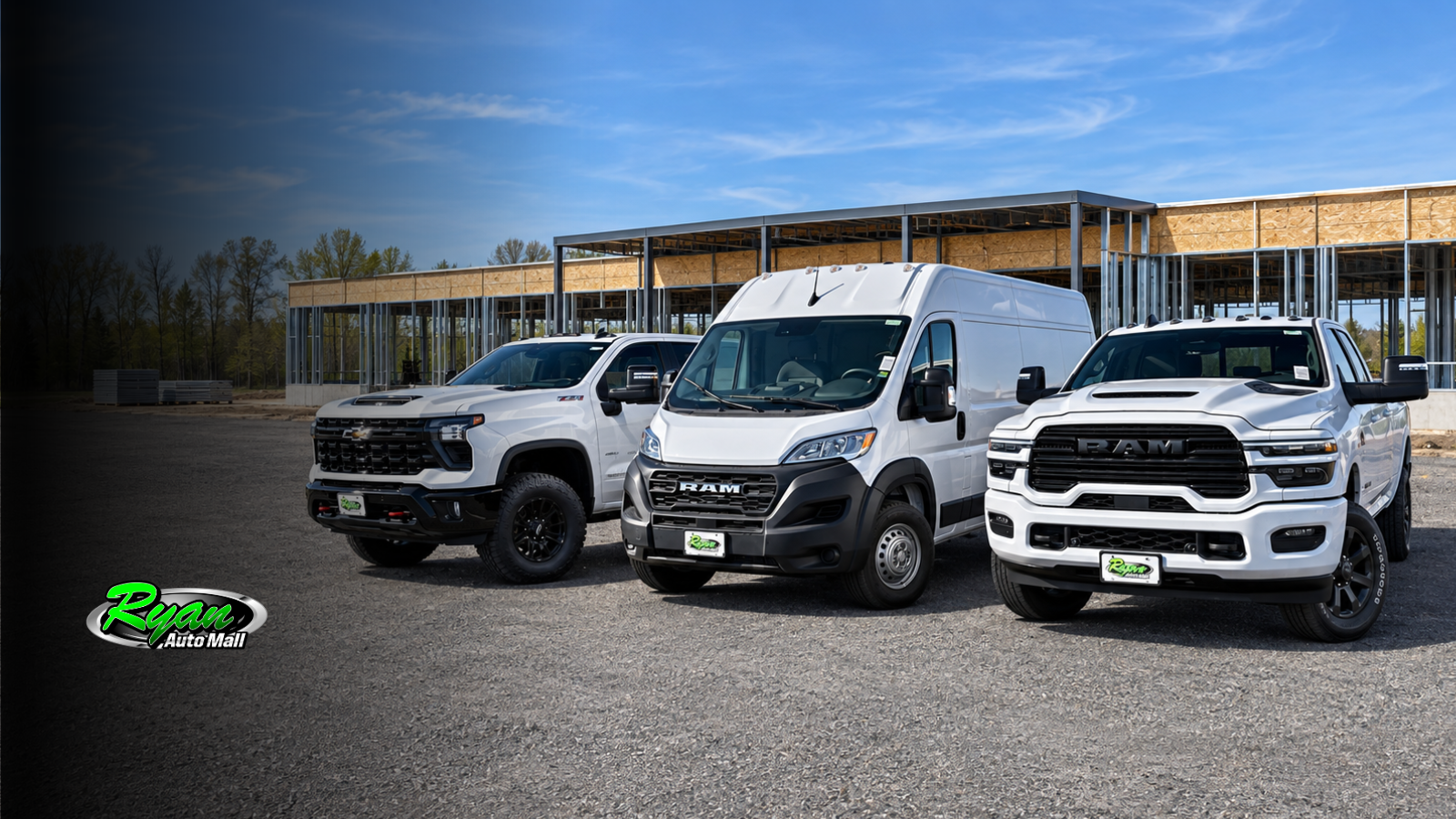
For example, a driver considering a Chevrolet Silverado or Ram 1500 for long-term work and recreation may have different priorities from someone leasing a Jeep Grand Cherokee for everyday family transportation.
Explore our new vehicle inventory to compare available trucks, SUVs, and other models.
5. How Important Is Driving the Latest Technology?
Vehicle technology continues to evolve, including driver-assistance features, connectivity, infotainment, and electrified powertrains.
If you enjoy experiencing newer technology and changing vehicles regularly, leasing may appeal to you.
Leasing can provide access to eligible new vehicles over a defined period without requiring a long-term ownership commitment.
Buying can be appealing if you find a vehicle with the features you want and plan to enjoy it for many years.
This is especially worth considering when comparing electric vehicles, hybrid models, and conventional gasoline-powered vehicles. Your preferred driving range, charging access, equipment, and ownership plans can all influence the decision.
Neither approach is automatically better. The right choice depends on how you intend to use your vehicle and the programs available for the model you're considering.
6. What Happens When You're Ready for Another Vehicle?
This is one of the biggest differences between buying and leasing.
When you own a vehicle, you generally have the flexibility to keep it, sell it, or trade it toward another purchase. If you still owe money on a loan, the remaining balance affects the equity available.
If your vehicle is worth more than the loan payoff, you may have positive equity. If the payoff exceeds the vehicle's value, you'll need to address the difference.
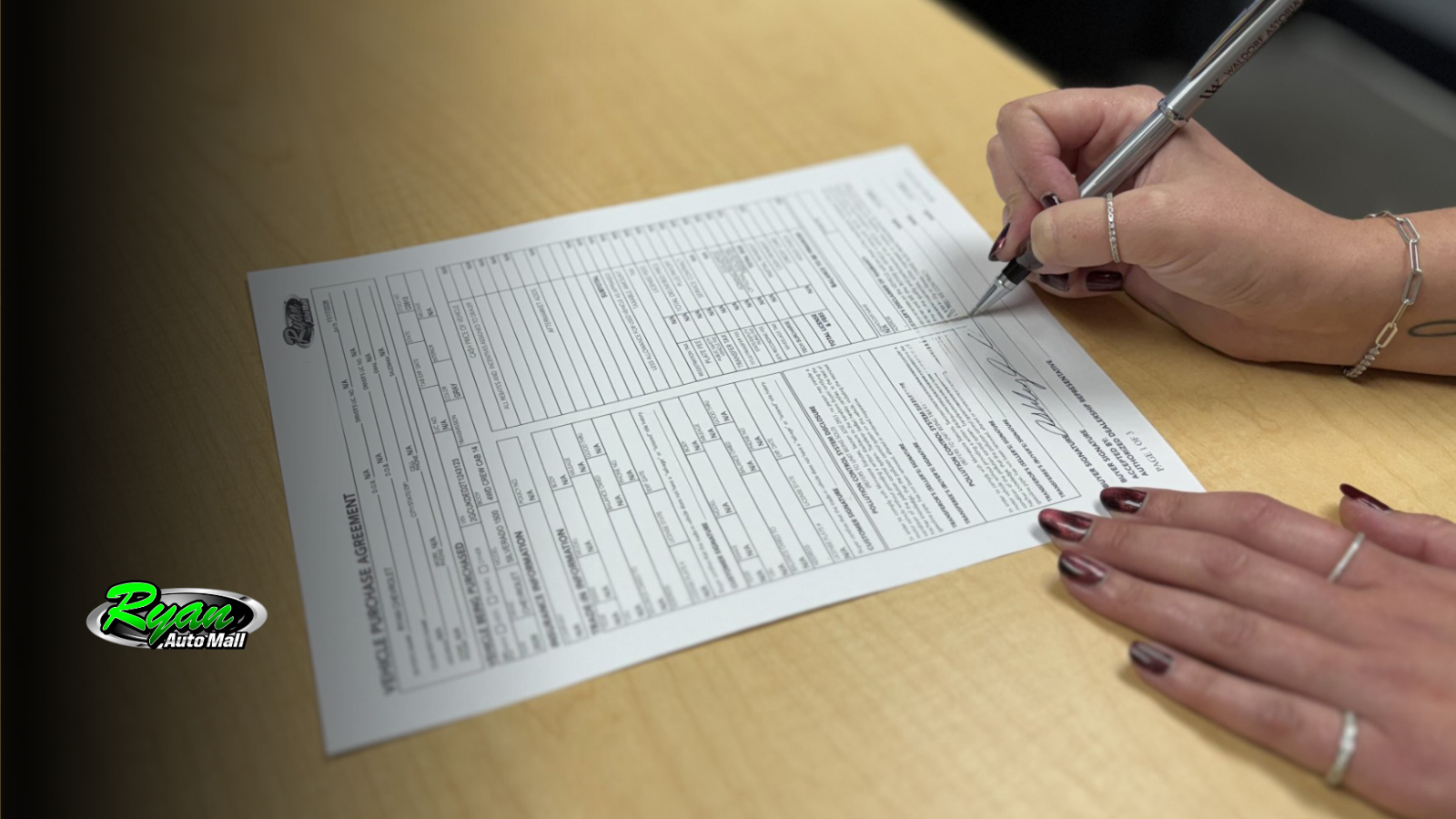
At the end of a lease, your options depend on the specific agreement. You may be able to return the vehicle, purchase it under an available buyout provision, or consider another vehicle.
Additional charges may apply for excess mileage, wear, damage, or other contractual obligations.
If you're thinking about replacing your current vehicle, you can begin by using Ryan Auto Mall's Value Your Trade tool.
7. Are You Shopping for a New or Pre-Owned Vehicle?
Buying and leasing aren't equally available across every vehicle category.
Manufacturer leasing programs generally focus on eligible new vehicles, while traditional purchase financing is commonly available for qualifying new and used inventory.
If you're shopping for a pre-owned car, truck, or SUV, purchasing through financing may provide a broader selection of vehicles and lenders.
At Ryan Auto Mall, our pre-owned inventory includes vehicles from multiple manufacturers across our Buffalo and Monticello dealerships.
For drivers focused on value, comparing the cost of purchasing a quality pre-owned vehicle with leasing a new vehicle can be worthwhile.
Remember that interest rates, eligibility, warranty coverage, and available financing terms may differ between new and used vehicles.
So, Is Buying or Leasing Better?
The answer depends on your circumstances.
Buying may be a better fit if you drive substantial mileage, want to keep your vehicle for many years, need flexibility for work or recreation, or prefer the opportunity to build ownership equity.
Leasing may be attractive if your mileage is predictable, you enjoy driving newer vehicles, and you're comfortable with the terms and obligations of a lease agreement.
Neither option guarantees the lowest overall cost. Vehicle pricing, financing terms, lease conditions, available manufacturer offers, and individual qualifications all play a role.
For a more detailed side-by-side comparison, visit our Buying vs. Leasing Guide for Buffalo and Monticello, MN.
Explore Your Options at Ryan Auto Mall
Ryan Auto Mall brings together Chevrolet, Cadillac, Chrysler, Dodge, Jeep, and Ram vehicles through our dealerships in Buffalo and Monticello, Minnesota.
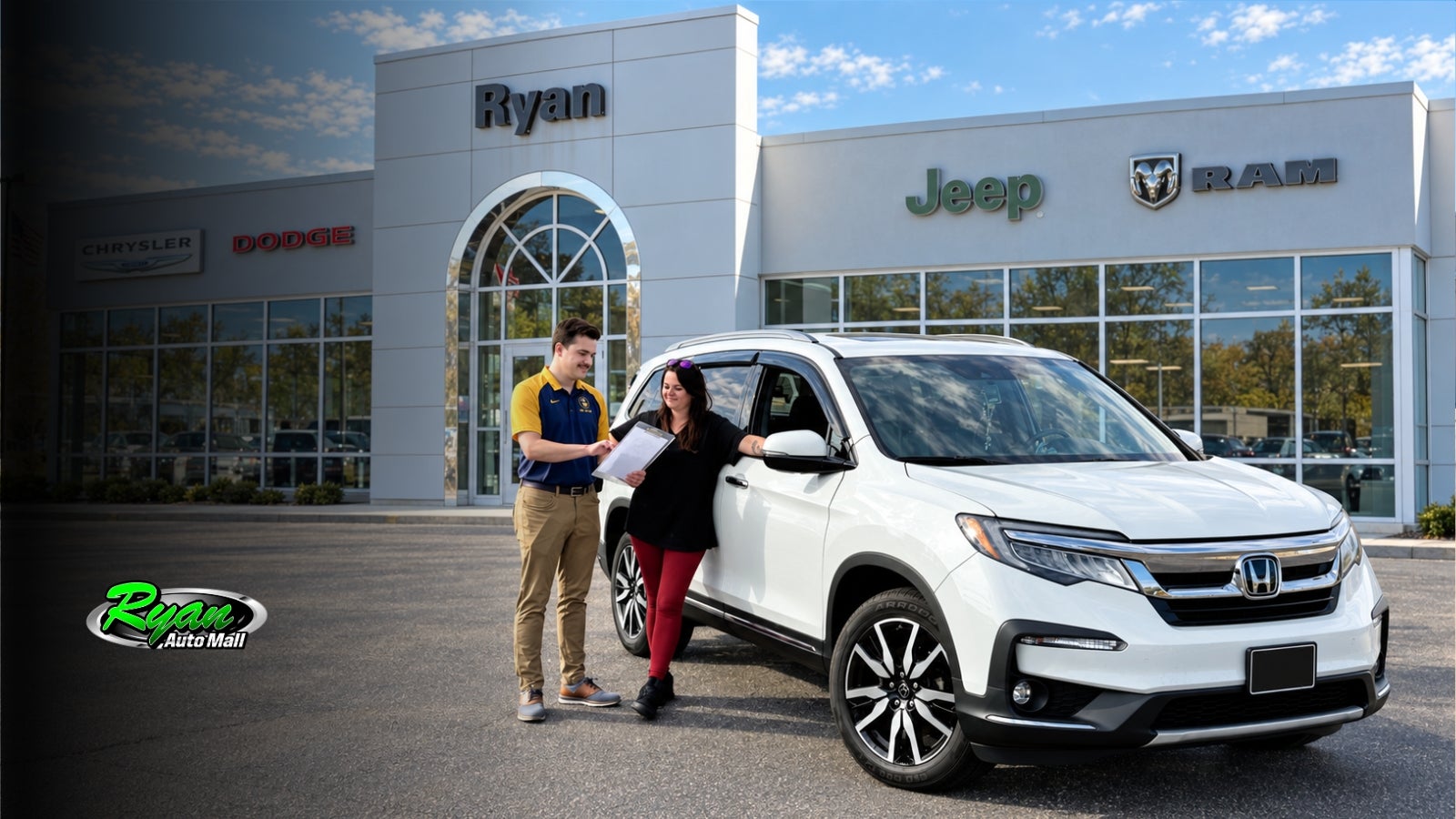
Whether you're considering a new SUV, pickup truck, luxury vehicle, or pre-owned model, our dealership teams can help you compare available vehicles and discuss financing and leasing options.
Start with our new vehicle inventory, review current new vehicle specials, or explore our financing resources.
You can also contact Ryan Auto Mall to discuss available options with the dealership offering your preferred vehicle.
Buying or leasing is a personal decision. The best starting point is understanding how each option fits the way you drive, your financial priorities, and your plans for the years ahead.